V7 ENG
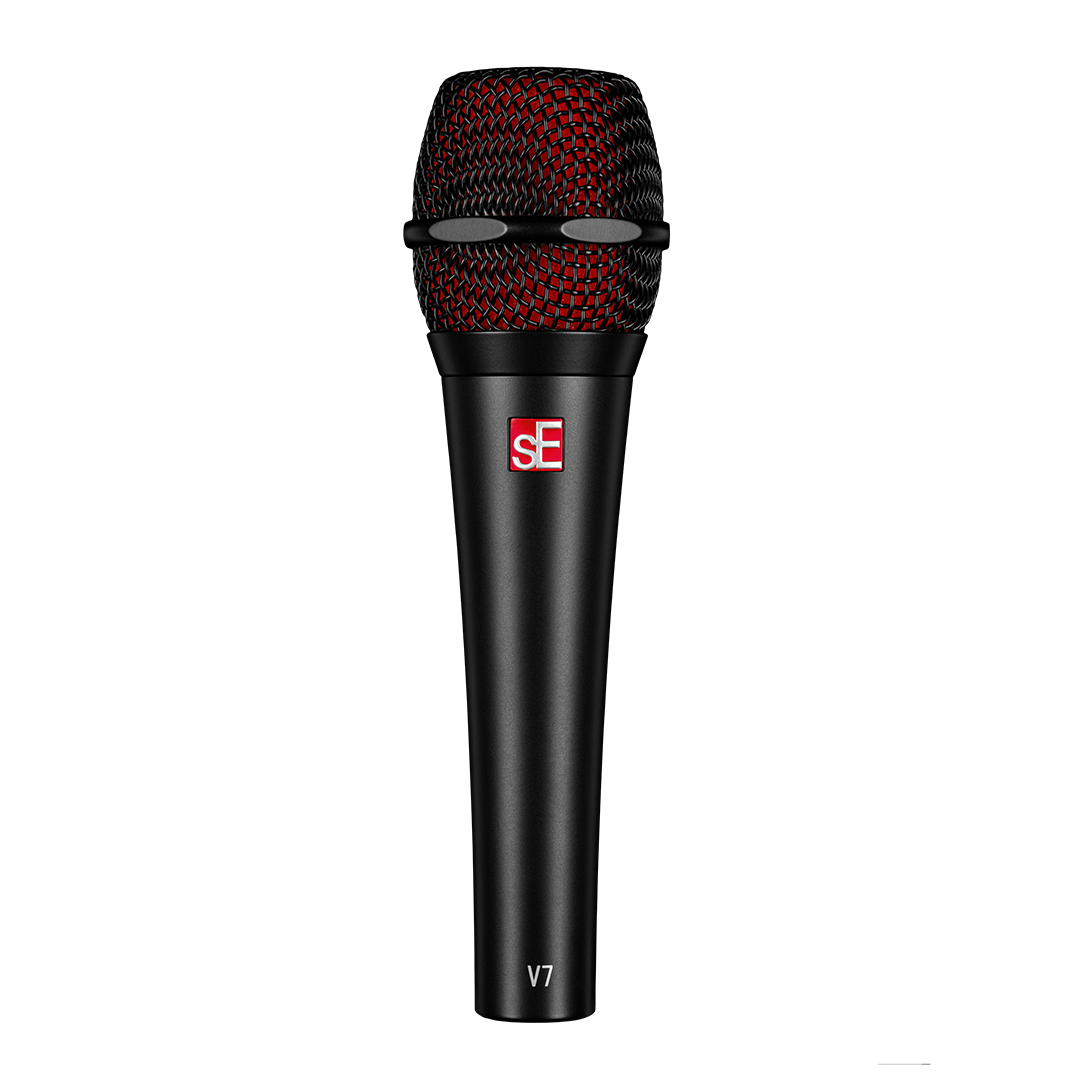
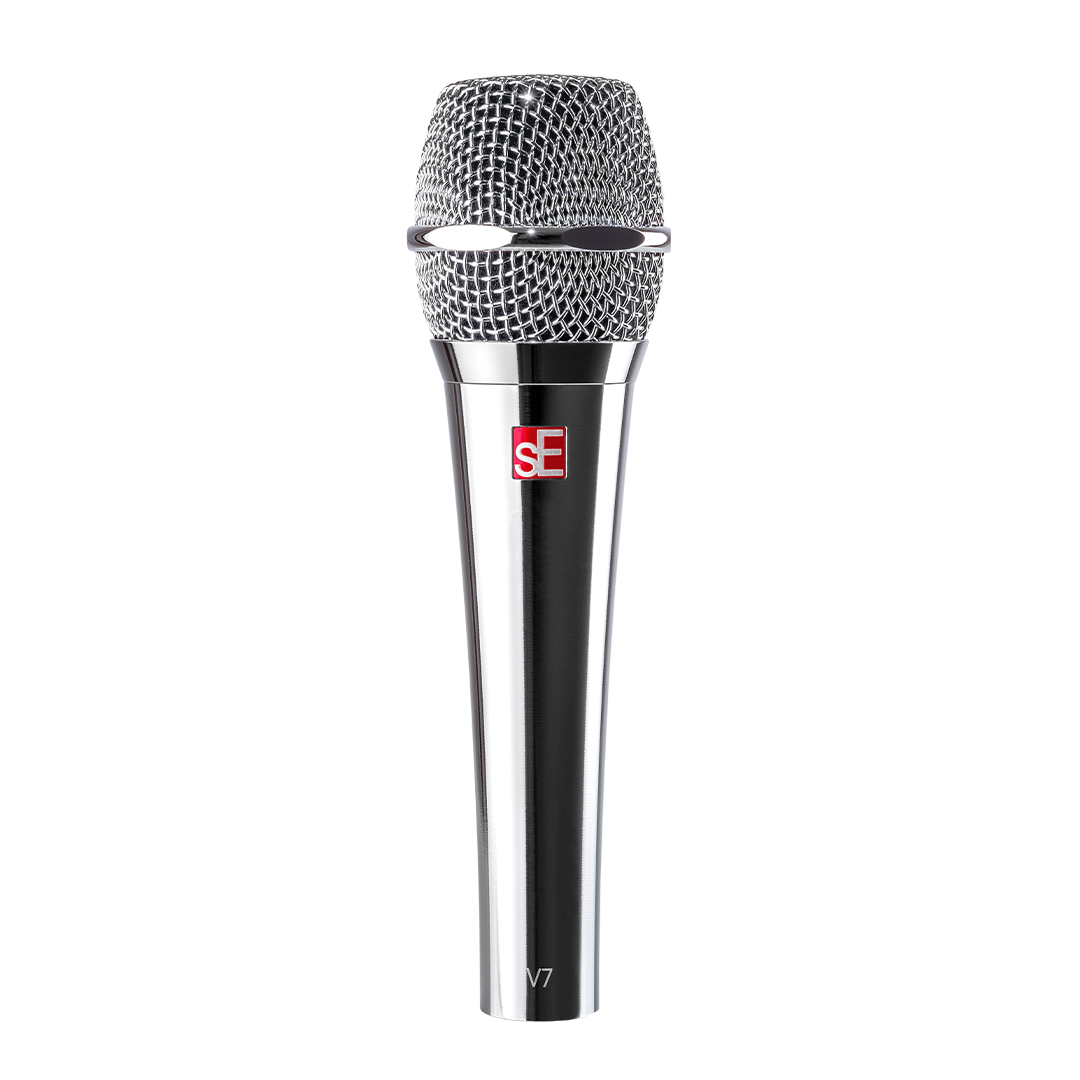
THE V7 IS BUILT TO PERFORM - AND BUILT TO LASTOur same Reliable, rugged & roadworthy V7, in a broadcast flag-ready format.
Vocals, speech, broadcasting, podcasting
Inside the V7 ENG
-
INNOVATIVE, SPECIALIZED ALUMINUM VOICE COIL
The DMC7 dynamic capsule in the V7 ENG has been custom-developed for a crisp, open sound that perfectly captures your voice with a clear, natural sound that feels true to how you speak, and its sophisticated supercardioid capsule design helps isolate your voice from other instruments, ensuring vast amounts of gain before feedback.
-
PATENTED INTEGRATED SHOCK MOUNT
The V7 ENG’s innovative, patented shockmount efficiently decouples the capsule from mechanical vibration, providing exceptionally low handling noise as compared to other capsules in its class. This means you can feel free to move around on stage without fear of rumbles, pops, or anything other than your voice coming through.
-
ALL-METAL HOUSING & BEVELED SPRING STEEL GRILLE
The V7 ENG’s road-ready design is all metal. The chassis’s high-quality, highly durable zinc alloy is designed to hold up under on-stage stress for years, and its beveled edge around the grille prevents your mic from rolling when you put it down on top a flat surface – so simple, yet so effective.
-
INTERNAL WINDSCREEN & GOLD-PLATED XLR CONNECTOR
Efficiently reduces unwanted wind noise and plosive pops….and just in case you don’t like our stylish “sE Red” color, we’ve included a spare black windscreen in the box for you. The V7’s gold-plated XLR connector ensures a loss-free and reliable signal connection for years to come.
Inside the Mic Grille
-
BEVELED SPRING STEEL GRILLE
The beveled edge around the grille is made to prevent your mic from rolling when you put it down on top of your amp or the stage floor – so simple, yet so effective. The V7’s spring steel mesh grille is dent-proof and corrosion-free for perfect reliability.
-
ADDITIONAL EXTERNAL WINDSCREEN
Additional black external Windscreen to help cut out unwanted outside noise.
Specs
Downloads
How should I store my microphone?
We generally recommend keeping your microphone in its case or original packaging when it is not in use for more than a few hours. If your studio is very clean and safe, it could be OK to leave out on its mic stand when not in use, but if a mic is out of its case, it could potentially be exposed to dust, smoke, moisture, or humidity – which can damage the sensitive parts of the mic – so we recommend avoiding those things at all cost.
What are the differences between your microphones’ polar patterns? How do I choose the most suitable type of polar pattern for my recording environment?
There are no real “right” or “wrong” answers to this question, as different patterns will just provide different types of sounds, and whatever best suits your particular song is usually the right answer! With that said:
- Cardioid – Generally best for recording vocals or other single sources, when you don’t want to hear much of the room sound around the source.
- Omni – This is good when you want a less focused, more “roomy” sound. Think distant drum mics in a great-sounding room.
- Figure-8 – Since this pattern lets the mic “hear” on both sides – front and back – and reject the sounds on either side, it’s handy if you want to record two sources at once from a point in between them, without hearing what’s off to the sides.
- Hypercardioid / Supercardioid – More directional than Cardioid, this is good for spot mics, when you want the sound to be very focused.
My guitar amplifier / drum / horn is VERY loud, and I am concerned about the risk of damage due to loud noise.
For the most part, sE mics can tolerate extremely high SPLs (typically over 135dB) and will be fine in front of even the loudest sources – yes, even our ribbon mics. If in doubt, you can check the specifications on the individual product page.
Which sE mic is best for recording vocals / drums / guitars / etc.?
Check out our Find Your Mic page to find the perfect mic for your application.
How do I clean the microphone from spillage and dirt?
If your microphone has come in contact with dirt or another removable substance, we recommend cleaning it with a very soft, slightly damp cotton cloth. Do not open the microphone up to clean the inside, and make sure you NEVER touch the capsule itself. Cleaning a capsule should only be done by highly trained professionals in a “clean room” environment. If you suspect your capsule needs to be cleaned, please contact [email protected] so we can recommend an authorized local technician.
How do I connect my microphone to my computer?
You’ll need some sort of audio interface to do this – essentially, a box that converts an analog signal into a digital one, and sends the digital signal to your computer software in a way that your computer can understand. Some audio interfaces also include microphone preamplifiers, which raise the signal level from “mic level” to “line level” – if you are using an interface with no built-in preamp, you’ll need to plug the mic into a separate mic preamp first.